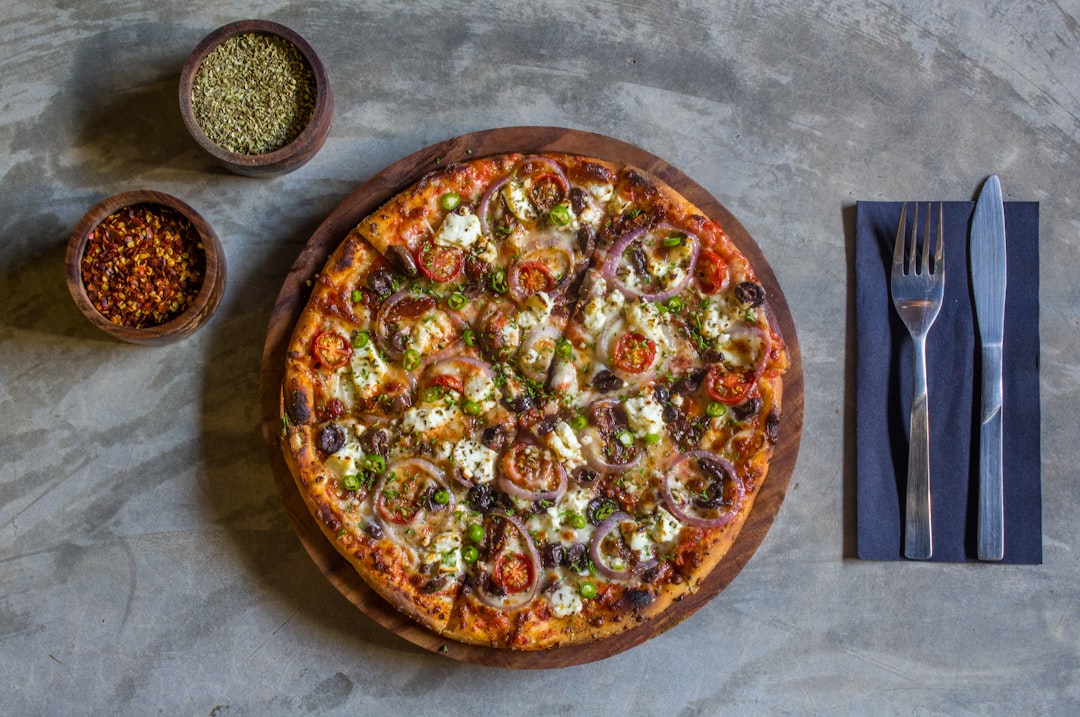
Creating the perfect pizza dough is both an art and a science. At Apache Pizza, we've spent years perfecting our dough recipe, and today we're sharing the professional techniques that make all the difference. Whether you're a home cook or aspiring pizzaiolo, these secrets will transform your pizza-making game.
Understanding Dough Hydration
Hydration refers to the ratio of water to flour in your dough, and it's one of the most critical factors in achieving the perfect texture. At Apache Pizza, we typically work with a hydration level of 60-65% for our classic pizzas. This creates a dough that's easy to work with while producing a crust that's crispy on the outside and tender on the inside.
Higher hydration doughs (70-80%) create airier, more hole-filled crusts reminiscent of Neapolitan-style pizza. However, they're significantly more challenging to handle and require experience to master. For beginners, we recommend starting with 60% hydration and gradually increasing as you become more comfortable with dough handling.
The Importance of Proper Fermentation
Fermentation is where the magic happens. During this process, yeast consumes sugars in the flour, producing carbon dioxide that creates air pockets in your dough. But fermentation does more than just make dough rise – it develops complex flavors that separate mediocre pizza from exceptional pizza.
At Apache Pizza, we use a cold fermentation process, allowing our dough to rest in the refrigerator for 24-72 hours. This slow fermentation creates superior flavor development and produces a more digestible final product. The extended fermentation time also allows enzymes in the flour to break down starches and proteins, resulting in better texture and taste.
Quick vs. Slow Fermentation
While you can make pizza dough that rises in just a few hours at room temperature, the results won't compare to slow-fermented dough. Quick fermentation produces adequate results for time-sensitive situations, but the flavor profile remains relatively flat. Slow fermentation in the refrigerator allows complex flavor compounds to develop, creating depth and character in your crust.
Temperature Control Matters
Temperature plays a crucial role throughout the pizza-making process. When mixing your dough, aim for a final dough temperature of around 24-26°C (75-79°F). Water temperature should be adjusted based on your room temperature and the friction created during mixing. In summer, you might use cold water; in winter, slightly warm water helps achieve the ideal dough temperature.
During fermentation, temperature control becomes even more critical. Room temperature fermentation speeds up yeast activity, while refrigeration slows it down. This is why professional pizzerias use refrigerated proof boxes – they provide consistent temperature control that produces reliable results batch after batch.
Selecting the Right Flour
Not all flour is created equal when it comes to pizza dough. At Apache Pizza, we use high-protein bread flour with 12-13% protein content. This protein forms gluten when mixed with water, creating the elastic structure that allows dough to stretch without tearing.
All-purpose flour can work in a pinch, but the lower protein content (typically 10-11%) produces a softer, less chewy crust. For Neapolitan-style pizza, Italian "00" flour is traditional, though it requires higher hydration and different handling techniques than bread flour.
Kneading Technique
Proper kneading develops gluten structure, creating the elastic network that gives pizza dough its characteristic chew. We recommend hand-kneading for beginners, as it helps you develop a feel for proper dough consistency. Knead for 10-15 minutes until the dough becomes smooth, elastic, and slightly tacky but not sticky.
When using a stand mixer, mix on low speed with a dough hook for 8-10 minutes. Over-mixing can break down gluten structure, while under-mixing leaves you with weak, difficult-to-stretch dough. The windowpane test helps determine if you've kneaded enough: stretch a small piece of dough – if it forms a thin, translucent membrane without tearing, your gluten development is sufficient.
Salt's Critical Role
Salt does more than add flavor to pizza dough. It strengthens gluten structure, making dough easier to handle and less likely to tear during stretching. Salt also controls yeast activity, preventing over-fermentation that can lead to overly sour or alcoholic flavors. We use approximately 2-2.5% salt by flour weight in our recipes.
Always add salt after initial flour and water mixing, never directly with yeast. Direct contact between salt and yeast can inhibit yeast activity, slowing fermentation and potentially creating uneven results.
Resting and Dividing
After bulk fermentation, divide your dough into individual pizza portions and shape them into smooth balls. This process, called "balling," creates surface tension that helps dough maintain its shape. Let the dough balls rest for another 2-4 hours at room temperature before stretching. This final rest allows gluten to relax, making the dough easier to stretch without snapping back.
Stretching, Not Rolling
Professional pizzaiolos stretch dough by hand rather than using a rolling pin. Rolling compresses air pockets created during fermentation, resulting in a dense, cracker-like crust. Hand-stretching preserves these air bubbles, creating a lighter, airier texture.
Start by pressing the center of your dough ball with your fingertips, leaving a thicker edge for the crust. Gradually work outward, using gravity and gentle stretching motions to expand the dough to your desired size. Don't worry about achieving perfect circles – rustic, organic shapes are part of authentic pizza's charm.
Practice Makes Perfect
Mastering pizza dough takes time and repetition. Don't be discouraged if your first attempts aren't perfect. At Apache Pizza, our chefs spent months perfecting their technique, and we're constantly refining our process. Keep detailed notes on your experiments – hydration levels, fermentation times, flour brands – so you can replicate successful batches and learn from less successful ones.
The journey to perfect pizza dough is rewarding, and there's nothing quite like pulling a beautifully golden, perfectly textured pizza from your oven, knowing you created it from scratch. Start with these foundational techniques, practice regularly, and you'll be making restaurant-quality pizza dough in no time.
Ready to Put Theory into Practice?
Visit Apache Pizza to taste the results of these techniques, or contact us for more detailed recipes and personalized advice. Our passion is sharing the art of authentic pizza-making with Ireland.